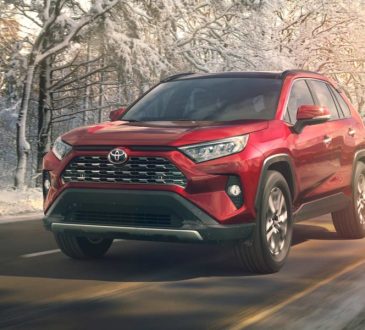
Why Certified Used Vehicles Include Additional Inspection And Coverage Benefits


A certified used vehicle carries more documented checks than ordinary used inventory. Inspection standards cover important mechanical, safety, and operating areas before approval. Buyers also receive clearer information about condition and available protection. For shoppers comparing certified inventory, https://www.mikecalvertfordofhouston.com/ offers a useful place to examine how certified vehicles are presented. These added checks can make vehicle research more structured before purchase.
Certification Adds A Detailed Inspection Process
Certification begins with a structured inspection process. Trained technicians examine mechanical systems, safety equipment, fluids, tires, and visible wear. Specific requirements must be satisfied before approval. If repairs become necessary, those concerns can receive attention before certification. The result is a documented condition check beyond ordinary used inventory.
- Technicians inspect key mechanical components.
- Safety equipment receives focused inspection attention.
- Required repairs may occur before approval.
- Records provide clearer vehicle condition details.
What Does Additional Coverage Provide?
Additional coverage can help manage qualifying repair costs after purchase. Certified programs may include limited warranty protection for selected components. Exact terms depend upon the specific certification program. Buyers should examine coverage periods, exclusions, deductibles, and covered systems before purchase.
This protection becomes more meaningful when paired with documented inspection results. The inspection addresses present vehicle condition, while coverage can address certain future repairs. For that reason, https://www.mikecalvertfordofhouston.com/ can serve as a useful reference when reviewing certified vehicle choices and available protection.
Certified Standards Can Reveal Vehicle History
Inspection findings become stronger when combined with vehicle history information. Service records can reveal previous maintenance and reported repairs. Mileage information adds another useful ownership detail. Together, these records give buyers a clearer picture of the vehicle’s background.
- Service records clarify previous maintenance.
- Repair records provide useful ownership context.
- Mileage information supports closer comparisons.
- Inspection results show current condition.
- Documentation strengthens purchase research.
Could Coverage Change Ownership Planning?
A certified vehicle can support clearer ownership budgeting. Unexpected repairs remain possible, but qualifying concerns may receive warranty support. That difference matters for buyers managing regular vehicle expenses. Coverage can also influence decisions about service timing and repair locations.
Rather than examining purchase price alone, buyers can consider future ownership costs. Added protection may create a more predictable financial picture during the early ownership period.
Which Components Receive Closer Attention?
Certification inspections focus on areas affecting safety, reliability, and everyday operation. Technicians may assess braking systems, steering components, suspension parts, tires, lights, and engine-related systems. Exact requirements vary between certification programs. Each inspection therefore follows a defined standard before approval.
Visible appearance provides only limited mechanical information. A clean exterior cannot confirm brake condition or suspension performance. Technical inspection provides evidence that appearance alone cannot offer.
Certification Turns Inspection Into Documentation
The strongest value comes from combining inspection standards with written documentation. Buyers receive more than a visual assessment or seller description. Certification records show which requirements were reviewed before approval. Coverage information then explains what protection may continue after purchase.
That combination changes the research process. Vehicle condition, inspection findings, service history, and coverage terms can be considered together. A certification document can therefore become a useful ownership reference long after the initial purchase decision.
FAQs
What makes a certified used vehicle different?
Certification requires a vehicle to meet defined inspection standards. Additional coverage may also apply after purchase.
Does certification guarantee a vehicle has no issues?
Certification cannot eliminate every possible mechanical concern. It provides documented checks against established requirements.
Can certified vehicles include warranty coverage?
Some certification programs include limited warranty protection. Exact coverage depends upon program terms and eligibility.
Why review certification documents before buying?
Documents clarify inspection requirements and available protection. They help buyers compare vehicles using consistent information.