
Many businesses choose a bottle supplier the way they choose stationery: by catalogue and price. That works until a cap leaks, a delivery arrives late before a product launch or a colour batch does not match the last one. Ordering from plastic bottles suppliers singapore goes more smoothly when buyers weigh the factors that decide whether a bottle actually performs, rather than comparing unit prices alone.
Start With the Product
The bottle has to suit what goes inside it. Before contacting suppliers, gather basic information about the product: its chemistry, whether it is liquid, cream or powder, how it will be filled, and how sensitive it is to light, moisture, oxygen and heat. A supplier can only recommend the right material and design if they understand these details. Skipping this step is one of the most common causes of packaging problems after launch. It also makes quotes from different suppliers hard to compare.
Material Choice
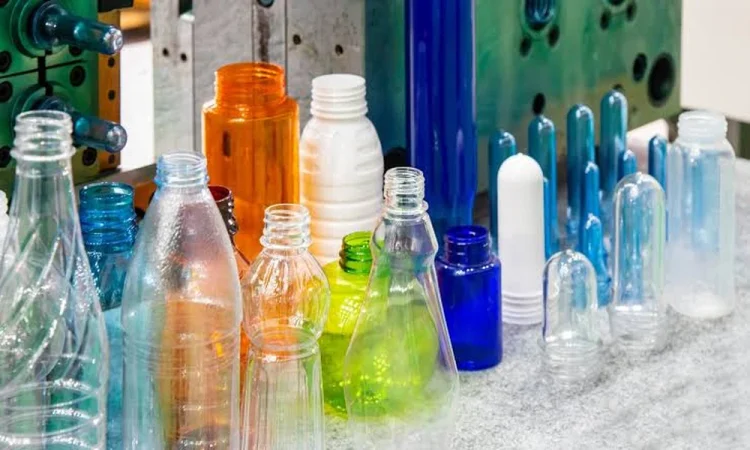
Plastic bottles are usually made from one of three main resins, each with different strengths:
- HDPE for chemical resistance, toughness and moisture protection
- PET for clarity, gloss and a good barrier for many drinks and personal care products
- PP for higher heat resistance and stiffness, often used for caps and hot-fill products
Asking a supplier why they recommend one material over another tells you a lot about their expertise.
Stock Bottles or Custom Moulds
Suppliers typically offer a catalogue of standard bottles and the option of custom moulds. Standard bottles are quicker and cheaper, especially for smaller orders. Custom moulds give a distinctive shape and better brand recognition but involve design time, mould costs and longer lead times. Many businesses start with stock bottles and move to custom designs once volumes justify it. Good plastic bottles suppliers singapore will explain the trade-offs honestly.
Minimum Order Quantities
Minimum order quantities vary widely depending on the bottle, material, colour and whether decoration is included. Custom colours and printing usually require larger runs. Ask for minimums early, especially if you are launching a new product and unsure of demand. Agreeing a smaller trial run first can limit the risk of being left with unsold stock. Some suppliers keep common bottles in stock and can supply smaller quantities, while others produce to order only.
Closures and Compatibility
Caps, pumps, sprayers and droppers must match the bottle’s neck finish and seal reliably. Leaks often come from mismatched closures or closures sourced separately from the bottle. Buying bottles and closures from the same supplier, or confirming compatibility in writing, reduces this risk. For products such as medicines or household chemicals, child-resistant closures may be needed, and suppliers should advise on suitable options.
Quality Systems and Consistency
Consistency matters as much as initial quality. Ask whether the supplier operates a certified quality management system such as ISO 9001, how they inspect production and how they handle defects. Check whether colour, weight and dimensions are controlled between batches. For regulated products, ask what documentation they can provide on materials and production records. A supplier who answers these questions clearly is more likely to deliver consistent results.
Lead Times and Local Supply
Lead times depend on stock levels, production schedules and whether moulds or decoration need preparing. Local manufacturers in Singapore can often respond faster than overseas suppliers, with shorter shipping times and easier communication. That matters for urgent orders, product launches and businesses holding limited inventory. Ask for realistic lead times and how the supplier handles urgent requests or unexpected demand.
Decoration and Labelling
Decoration affects both branding and cost. Common options include silkscreen printing, hot stamping, adhesive labels and shrink sleeves. Each suits different shapes, quantities and looks. Ask whether the supplier can decorate bottles in-house or works with partners, and request samples to check print quality and durability, especially for products handled with wet or oily hands.
Samples and Testing
Never place a large order without testing samples. Fill them with your actual product, store them under realistic conditions and check for leaks, deformation, discoloration or changes in the product. Test closures repeatedly to make sure they open and seal properly. This small investment can prevent expensive recalls and wasted stock later.
Pricing Beyond the Unit Cost
Unit price is only one part of the cost. Consider mould charges, decoration, closures, packaging for delivery, shipping and storage. A cheaper bottle that fails or arrives late may cost more overall. Ask for a full quotation that lists every element so you can compare suppliers fairly.
Warning Signs When Comparing Suppliers
A few signs suggest a supplier may struggle to deliver consistently:
- No samples offered before a bulk order
- Vague answers about material grades or quality checks
- Quotes that leave out closures, decoration or delivery
- Lead times that change every time you ask
Placing Your First Order
Prepare a clear brief covering your product, preferred material, volume, closure type, decoration and expected quantities. Request samples, test them thoroughly and confirm lead times and quality checks in writing. Build a relationship with a supplier who understands your products and can grow with you. An established plastic bottle and container manufacturer can guide you through these steps and recommend options that balance cost, quality and timing.